The bottom line up front: Joint supplements can make a real difference for senior dogs, but they're not all created equal. Products with clinical evidence — particularly those containing pharmaceutical-grade glucosamine and chondroitin like Cosequin and Dasuquin — consistently outperform the trendy "superfood" supplements that crowd the market. Give any supplement 4–8 weeks before judging its effect, and always run it by your vet first if your dog is on other medications.
My own Labrador, a 10-year-old named Rosie, went from visibly stiff every morning to something close to her old self after 6 weeks on Dasuquin. It wasn't a miracle, but it was meaningful. That personal experience is part of why I've spent so much time digging into this topic — I wanted to understand why it worked and what the evidence actually says.
Why Joint Health Matters for Aging Dogs
Canine osteoarthritis is far more common than most dog owners realize. Studies suggest that up to 20% of dogs over one year old have some degree of arthritis, and among dogs over 8, the figure climbs toward 80%. The condition develops when cartilage — the cushioning tissue between bones — breaks down faster than the body can repair it. Inflammation follows, and the characteristic pain and stiffness set in.
Large breeds are hit hardest. A Golden Retriever, Labrador, Rottweiler, or German Shepherd carrying 70–100+ pounds on their frame for 8 years has subjected their joints to immense cumulative stress. But small breeds aren't immune — Dachshunds are famously prone to spinal disc disease, and older Pugs and Bulldogs often develop significant joint changes due to their conformational issues.
What joint supplements do is support the body's ability to maintain and (to a limited extent) repair cartilage, while reducing inflammation. They're not a cure — existing cartilage damage doesn't regenerate — but they can slow the progression and meaningfully reduce discomfort when used consistently.
Supplements Are Not a Substitute for Diagnosis
If your dog is limping, reluctant to use stairs, or seems to be in pain, see your vet before starting supplements. Other conditions — infections, tumors, fractures — can mimic arthritis symptoms. A diagnosis ensures you're treating the right thing.
Quick Comparison Table
| Supplement | Key Ingredients | Form | Vet Recommended | Price Range |
|---|---|---|---|---|
| Cosequin DS | Glucosamine, Chondroitin | Chewable tablet | ✓✓✓ | $$ |
| Dasuquin with MSM | Glucosamine, Chondroitin, MSM, ASU | Chewable tablet | ✓✓✓ | $$$ |
| Zesty Paws Mobility Bites | Glucosamine, Chondroitin, MSM, Hemp | Soft chew | ✓✓ | $$ |
| PetHonesty Hip + Joint | Glucosamine, Turmeric, Hemp Oil | Soft chew | ✓✓ | $$ |
| Nutramax Welactin | Omega-3 (EPA/DHA) | Liquid/softgel | ✓✓✓ | $$ |
| VetriScience GlycoFlex 3 | Glucosamine, Perna Canaliculus, DMG | Soft chew | ✓✓ | $$ |
| NaturVet Senior Wellness | Glucosamine, Chondroitin, Vitamins | Soft chew | ✓ | $ |
The 7 Best Joint Supplements for Senior Dogs
1 Cosequin DS Plus MSM Chewable Tablets
🏆 Best Overall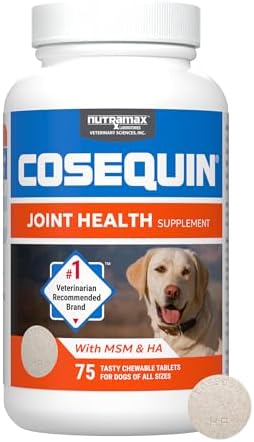
Cosequin is the benchmark. It's been clinically studied, it's manufactured under pharmaceutical-grade standards, and it's the supplement most likely to be recommended when you ask your vet what to give your arthritic dog. Nutramax, the company behind Cosequin, publishes their quality testing and has been in the veterinary supplement space since the 1990s.
The DS (double strength) formulation provides 500mg of glucosamine HCl and 400mg of sodium chondroitin sulfate per chew — meaningful, clinically relevant doses. The MSM version adds methylsulfonylmethane, a compound with anti-inflammatory properties. Most senior dogs should be on the DS Plus MSM version unless your vet recommends otherwise.
The chewable tablets are flavored and most dogs eat them willingly, though a small percentage are picky about the texture. If your dog refuses the tablet form, try crumbling it over food. The only real drawback is that this is one of the pricier options — but consider that you're paying for actual quality control and a product backed by clinical evidence, not just marketing claims.
Pros
- Clinically studied and documented
- Pharmaceutical-grade manufacturing standards (NASC certified)
- Therapeutic doses of glucosamine and chondroitin
- Strong track record with veterinarians
- MSM version adds anti-inflammatory support
- Long-established brand with transparent testing
Cons
- More expensive than generic alternatives
- Some dogs don't like the tablet texture
- Doesn't contain omega-3s (pair with a fish oil supplement)
2 Dasuquin with MSM Soft Chews (Large Dog)
⭐ Premium Pick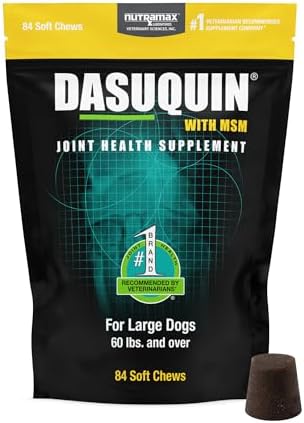
Dasuquin is Cosequin's older sibling — made by the same company (Nutramax) but with an upgraded formula. The key addition is ASU, avocado/soybean unsaponifiables, a compound that clinical research suggests can slow the breakdown of cartilage and even stimulate some cartilage repair. For dogs with more advanced joint disease, this makes Dasuquin worth the extra cost.
The soft chew format is genuinely popular with dogs. Mine — the aforementioned Rosie — treats these like actual treats. No hiding in peanut butter, no wrestling match to get a pill down. The dosing is clear: a loading phase for the first 4–6 weeks (extra chews per day) followed by a maintenance dose.
Is the upgrade from Cosequin worth it? For a dog with mild joint stiffness, probably not — Cosequin will do the job. For a dog with moderate to severe arthritis, or a large breed that's going to be on a supplement long-term, I'd lean toward Dasuquin for the ASU content. It's expensive, but so is ongoing vet care for a dog in chronic pain.
Pros
- ASU addition provides extra cartilage support
- Soft chew format most dogs love
- Same pharmaceutical-grade manufacturing as Cosequin
- Loading + maintenance dosing strategy
- Strong clinical evidence base
Cons
- Expensive — one of the priciest options
- Soft chews can melt/clump in warm storage
- Some large dog owners find the chew count doesn't last long enough
3 Zesty Paws Advanced Mobility Bites
🌿 Best Natural Formula
Zesty Paws has built an impressive brand around naturally-marketed pet supplements, and their Mobility Bites are genuinely popular. The formula combines glucosamine, chondroitin, and MSM with hemp extract and a mix of botanicals. The soft chew format is duck-flavored and extremely palatable — even the pickiest dogs usually accept them.
Where Zesty Paws delivers: palatability, natural ingredients, and the inclusion of hemp extract, which some dog owners report reduces anxiety as a side benefit in senior dogs who've become more anxious with age. The glucosamine dose (500mg per chew) is solid, and the chewable format means dosing adjustments are easy.
Where they fall short of the Nutramax products: manufacturing standards and clinical evidence. Zesty Paws is NASC (National Animal Supplement Council) certified, which is meaningful, but the clinical backing isn't as robust as Cosequin or Dasuquin. The hemp content is also unregulated and its benefit for joint health specifically is not as well-established as it is for anxiety. That said, for a dog with mild joint issues and an owner who prefers natural formulations, this is one of the better options in that category.
Pros
- Very palatable — most dogs love the taste
- Natural ingredient focus
- Good glucosamine dose
- Hemp extract for potential anxiety relief
- NASC certified
- Good value for the price
Cons
- Less clinical evidence than Nutramax products
- Hemp claims somewhat overstated
- Chews can be crumbly
- Trendy marketing sometimes overshadows formula details
4 PetHonesty Hip + Joint Health Soft Chews
🌱 Best Turmeric Formula
PetHonesty has carved out a niche with clean, transparent ingredient lists and a strong emphasis on turmeric as an anti-inflammatory ingredient alongside glucosamine and chondroitin. Turmeric's active compound, curcumin, has genuine anti-inflammatory properties supported by research — the question for pet supplements has always been bioavailability. PetHonesty uses BioPerine (black pepper extract) to improve curcumin absorption, which is an evidence-based approach.
The hemp oil addition is similar to Zesty Paws — possibly beneficial for overall wellness, not a proven joint-specific ingredient. But the turmeric + BioPerine combination is legitimately interesting and distinguishes PetHonesty from competitors at this price point. For dogs with joint inflammation who you'd prefer not to give NSAIDs, a natural anti-inflammatory approach has real appeal.
The soft chews are chicken-flavored and widely accepted by dogs. The company is transparent about their ingredient sourcing and testing, and they offer a money-back guarantee — a confidence signal worth noting.
Pros
- Turmeric + BioPerine for better curcumin absorption
- Transparent ingredient sourcing
- Good palatability
- Money-back guarantee
- Clean ingredient list — no artificial colors/preservatives
Cons
- Glucosamine dose lower than some competitors
- Less clinical research than Nutramax products
- Turmeric can interact with some medications (blood thinners)
5 Nutramax Welactin Omega-3 Supplement
🐟 Best Fish Oil
This one's a little different from the others: Welactin is a pure omega-3 supplement, not a glucosamine product. I've included it because omega-3 fatty acids (specifically EPA and DHA) have excellent clinical evidence for reducing joint inflammation in dogs — in some cases comparable to low-dose NSAIDs, without the side effects on kidney and liver function.
For senior dogs, omega-3 supplementation serves double duty: it supports joint health through its anti-inflammatory action, and it also benefits skin, coat, cognitive function, and heart health. That multi-system benefit makes it one of the most universally recommended supplements for senior dogs by veterinary nutritionists.
Welactin is from Nutramax (same as Cosequin and Dasuquin), which means you get the same pharmaceutical-grade manufacturing standards. The concentration of EPA and DHA is higher than most generic fish oil products, so you need a smaller volume per dose. It comes in both liquid and soft-gel forms — the liquid is easy to mix into food, though some finicky dogs detect the fish smell. The soft-gels work better for those dogs.
Pros
- Strong clinical evidence for joint inflammation
- Multi-system benefits (coat, cognition, heart)
- Pharmaceutical-grade Nutramax quality
- High EPA/DHA concentration — efficient dosing
- Natural anti-inflammatory with good safety profile
Cons
- Fish smell can put some dogs off (liquid form)
- Doesn't contain glucosamine — pairs best with Cosequin/Dasuquin
- Liquid requires refrigeration after opening
6 VetriScience GlycoFlex 3 Hip & Joint Support
🦞 Best for Active Seniors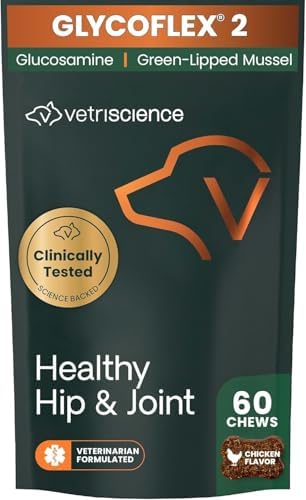
GlycoFlex 3 is an interesting product because it includes Perna canaliculus — green-lipped mussel — as a key ingredient alongside glucosamine. Green-lipped mussel contains a unique blend of omega-3 fatty acids (including ETA, which is rare in other sources), chondroitin, and various anti-inflammatory compounds. The combination creates a multi-mechanism approach to joint support that some vets prefer over straight glucosamine/chondroitin.
The "Stage 3" formula is their strongest version, intended for dogs already experiencing joint problems rather than as a preventive. VetriScience also includes DMG (dimethylglycine), which they market for stamina and recovery. The evidence for DMG is weaker than for the other ingredients, but it doesn't hurt anything.
The soft chews are duck-flavored and palatable. VetriScience is a reputable company with veterinary roots and solid quality control. For a senior dog who's still relatively active but showing stiffness after exercise — a dog who still wants to walk but struggles afterward — this formula's recovery-support angle is appropriate.
Pros
- Green-lipped mussel provides unique omega-3 profile
- Multi-mechanism joint support
- Reputable company with vet background
- Palatable soft chew format
- Good for dogs still trying to stay active
Cons
- DMG benefits not strongly evidenced
- More expensive than Cosequin for similar core ingredients
- Not all dogs like the stronger flavor of mussel-based products
7 NaturVet Senior Wellness Hip & Joint Plus
💲 Best Budget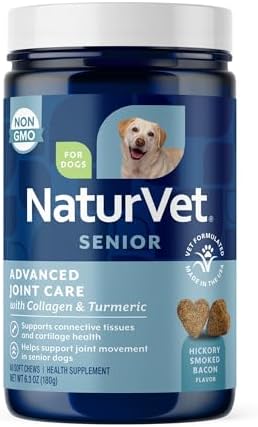
NaturVet rounds out the list as the most accessible price-point option. Their Senior Wellness Hip & Joint formula includes glucosamine and chondroitin alongside vitamins E and C — both antioxidants that can help mitigate the oxidative stress that worsens joint inflammation. The antioxidant addition is a nice touch for a product at this price.
The soft chews are widely accepted — NaturVet makes some of the most palatable supplements in the category. They're NASC certified, and the company has been in the veterinary supplement space long enough to have a decent reputation for consistency.
The honest limitations: the glucosamine dose is lower than the clinical-grade products, and the quality controls, while NASC certified, don't match the pharmaceutical-grade standards of Nutramax. For a dog with mild stiffness who's in the early stages of aging and you want to start something preventively, NaturVet is a reasonable, affordable entry point. For a dog with diagnosed arthritis, spend the extra money on Cosequin.
Pros
- Very affordable
- Antioxidant vitamins C and E included
- Highly palatable — most dogs accept readily
- NASC certified
- Easy to find in pet stores and online
Cons
- Lower glucosamine dosage than clinical products
- Not pharmaceutical-grade manufacturing
- Best for mild cases only
The Ingredient Guide: What Actually Works
The supplement market is cluttered with products making impressive claims. Here's a plain-English breakdown of the key joint health ingredients and what the evidence actually says about each.
Glucosamine
The most studied joint supplement ingredient for both humans and dogs. Glucosamine is a naturally occurring compound that supports cartilage production and repair. The most effective forms for dogs are glucosamine HCl (hydrochloride) and glucosamine sulfate — look for these specifically, not generic "glucosamine." Effective doses for dogs are typically 500–1000mg per day depending on weight. Below 500mg, you're unlikely to see meaningful benefit. Takes 4–8 weeks to show results — don't give up early.
Chondroitin Sulfate
Chondroitin works synergistically with glucosamine — each is more effective when paired with the other. It helps cartilage retain water and resists compressive forces. Look for sodium chondroitin sulfate specifically. Quality sourcing matters a lot with chondroitin — cheaper products often use low-grade chondroitin with inconsistent actual content. Another reason to stick with Nutramax products: their chondroitin is tested to confirmed potency.
MSM (Methylsulfonylmethane)
MSM is a sulfur compound with anti-inflammatory and antioxidant properties. It's a genuine addition to a joint supplement formula — the evidence isn't as strong as for glucosamine/chondroitin, but it's supportive rather than contradicted. Most dogs tolerate it well with no side effects. If your dog's supplement contains MSM, it's a positive sign the manufacturer thought about the formula.
Omega-3 Fatty Acids (EPA/DHA)
Omega-3s from fish oil (EPA and DHA specifically — not ALA from flaxseed) have impressive clinical evidence for reducing joint inflammation. Several studies show effects comparable to low-dose NSAIDs over time, with none of the kidney/liver side effects. Critically, the dose matters enormously — many pet supplements provide far too little EPA/DHA to be therapeutically meaningful. The therapeutic dose for a 70-pound dog is roughly 2,000–3,000mg combined EPA+DHA per day. Check labels carefully.
Turmeric / Curcumin
Turmeric is a natural anti-inflammatory with genuine research support — but bioavailability is the issue. Curcumin (the active compound) is poorly absorbed without a bioavailability enhancer like BioPerine (piperine from black pepper). If you see "turmeric" on a label without a mention of piperine or enhanced bioavailability, the practical effect may be minimal. PetHonesty's inclusion of BioPerine is why I gave their product more credit than most turmeric-containing supplements.
Green-Lipped Mussel (Perna canaliculus)
A whole-food marine ingredient with a unique omega-3 profile (including ETA, which has anti-inflammatory effects distinct from EPA/DHA) plus naturally occurring glucosamine and chondroitin. The evidence base is smaller than for isolated glucosamine, but the multi-compound nature of the ingredient makes it interesting. Best as part of a comprehensive formula rather than a standalone approach.
ASU (Avocado/Soybean Unsaponifiables)
The "upgrade ingredient" in Dasuquin. ASU has clinical evidence for inhibiting the breakdown of cartilage and even stimulating some repair — which regular glucosamine doesn't do. It's the reason some vets prefer Dasuquin over Cosequin for dogs with more advanced joint disease. The research isn't massive, but what exists is promising, and the safety profile is excellent.
How to Choose the Right Supplement
Match the Product to the Severity
For a dog just starting to show stiffness, or as a preventive measure for a large breed entering their senior years, NaturVet or Zesty Paws can be a reasonable starting point. For a dog with confirmed arthritis or significant joint changes, use Cosequin DS at minimum. For a large breed with moderate-to-severe arthritis, Dasuquin with MSM is worth the premium.
Consider Combining Products
One of the most effective approaches for serious joint issues is combining a glucosamine/chondroitin product (Cosequin or Dasuquin) with a high-quality omega-3 supplement (Welactin). They work through different mechanisms and complement each other well. This is exactly what many veterinary internists recommend for dogs with significant arthritis.
Be Patient
Every supplement on this list takes time to work. Glucosamine needs to accumulate in joint tissue before you see benefits — this typically takes 4–8 weeks. If you stop at 3 weeks because you don't see improvement, you're giving up too soon. Mark a calendar, stick to the dosing schedule, and evaluate objectively after 6–8 weeks. Look for: getting up more easily in the morning, less hesitation on stairs, more willingness to walk or play, and reduced stiffness after rest.
Frequently Asked Questions
Glucosamine and chondroitin at standard doses are generally considered safe for dogs with kidney or liver disease — they're not metabolized through those pathways the way NSAIDs are. However, any dog with organ disease should have supplement changes vetted by their vet. Omega-3s at high doses can have blood-thinning effects worth discussing. The bottom line: always tell your vet what supplements you're using.
In theory, yes — glucosamine HCl is glucosamine HCl regardless of whether the label has a dog or human on it. The practical concern is dosing (human products aren't formulated with dogs in mind), and some human products contain xylitol or other sweeteners that are toxic to dogs. If you use a human product, check the ingredient list carefully, avoid any containing xylitol or artificial sweeteners, and dose based on your dog's weight rather than the human serving size suggestion.
Prescription pain medications (NSAIDs like Carprofen/Rimadyl, or newer drugs like Galliprant) and joint supplements generally work through different mechanisms and can be used together. Many vets recommend supplements alongside medication — the supplements address the underlying joint environment while the medication manages pain and inflammation. That said, always confirm with your vet before adding supplements to a dog already on prescription medications.
Both are made by Nutramax and contain glucosamine and chondroitin at therapeutic doses. The key differences: Dasuquin adds ASU (avocado/soybean unsaponifiables), which has clinical evidence for slowing cartilage breakdown. Dasuquin uses a proprietary glucosamine/chondroitin complex that Nutramax claims has better bioavailability. Dasuquin is notably more expensive. For most dogs with mild-to-moderate joint issues, Cosequin DS is sufficient. For dogs with significant arthritis or large breeds where joint stress is severe, Dasuquin's additional ingredients justify the cost.
This is debated. There isn't strong evidence that supplementing a healthy young dog with no joint issues prevents arthritis from developing. However, for breeds at high risk — large breeds, dogs with hip dysplasia or other conformational issues, working dogs — starting a glucosamine supplement in middle age (5–6 years) before symptoms appear is something many vets support. The rationale is providing substrate for cartilage maintenance before breakdown becomes significant. Talk to your vet about whether early supplementation makes sense for your specific dog.
Our Final Recommendation
For most senior dogs: Cosequin DS Plus MSM is the best starting point. It has the clinical evidence, the quality manufacturing, and the dosing that actually matters. If cost is a concern, it's also more economical than Dasuquin.
Add Welactin or a high-quality fish oil alongside it for the omega-3 anti-inflammatory benefit — this combination is what many veterinary internists recommend as a complete approach.
For dogs with more advanced arthritis: upgrade to Dasuquin with MSM.
For dogs whose owners prefer a natural formulation: PetHonesty Hip + Joint or Zesty Paws Mobility Bites are the most responsible options in that category.
Work With Your Vet
Joint supplements are one tool in the toolbox. For dogs in significant pain, prescription anti-inflammatories, weight management, physical therapy, acupuncture, or other interventions may be needed alongside or instead of supplements. This article provides information, not veterinary advice — your dog's specific situation requires a professional evaluation.
This article contains affiliate links. We may earn a commission on purchases made through our links at no extra cost to you. See our affiliate disclosure.